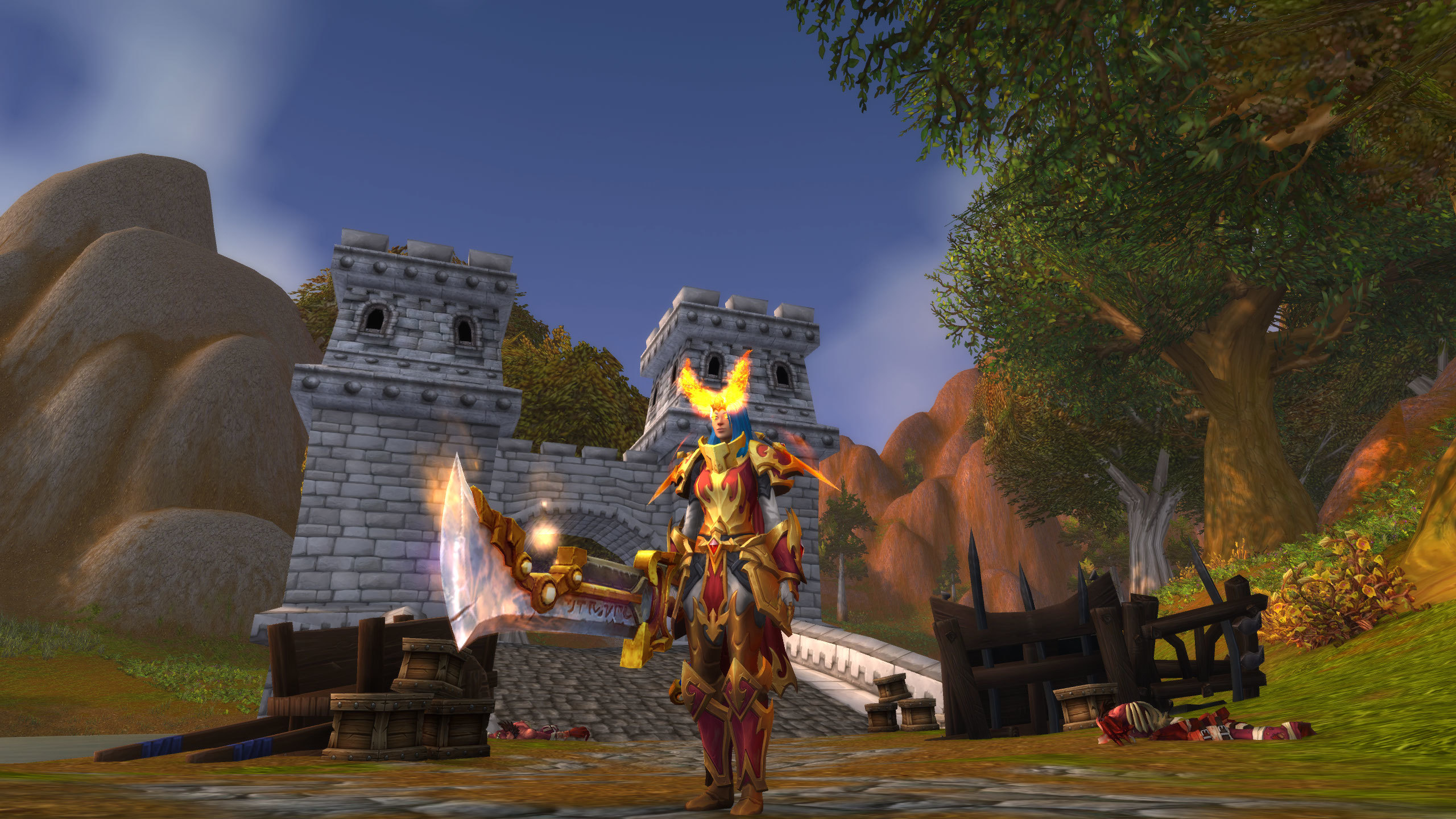
As encounter design emphasizes movement and spatial control, class mobility has become a defining factor in group composition. Raw damage alone no longer determines viability. The ability to reposition quickly, handle mechanics, and maintain uptime often outweighs theoretical damage potential.

Movement Enables Mechanic Control
Encounters increasingly demand fast reactions to ground effects, targeted abilities, and shifting safe zones. Mobile classes handle these demands with less disruption, preserving both survival and output while reducing strain on healers.
Uptime Matters More Than Peak Output

Classes that maintain damage while moving frequently outperform stationary classes forced into downtime. Over the course of a fight, consistent uptime often produces better results than higher burst numbers on paper.
Mobility Expands Strategic Options
High mobility allows groups to solve mechanics creatively. Faster repositioning enables flexible assignments, emergency recoveries, and aggressive strategies that would otherwise be too risky.
| Mobility Level | Encounter Advantage | Group Value |
|---|---|---|
| High | Rapid repositioning | Mechanic reliability |
| Moderate | Planned movement | Stable execution |
| Low | Limited flexibility | Higher risk |
| Conditional | Cooldown-dependent | Situational value |
Composition Favors Reliability

Groups increasingly prioritize classes that reduce mechanical failure risk. Mobility acts as a safety net, allowing recovery from mistakes that would otherwise cause wipes.
Conclusion
Class mobility differences now influence group composition more than raw damage. In modern encounters, the ability to move efficiently and maintain control defines success, making mobility a core competitive asset.
Leave a Reply