Why the vocabulary feels like a wall
Raid chat is full of short words that mean a lot. Wipe, pull, enrage, wing, lockout, difficulty, carry. If you are new to group content, the language can feel like an entrance exam. This primer takes the vocabulary around the Venomous Abyss one term at a time, in plain language, so that you can follow a conversation before you take part in one.
The raid in one paragraph
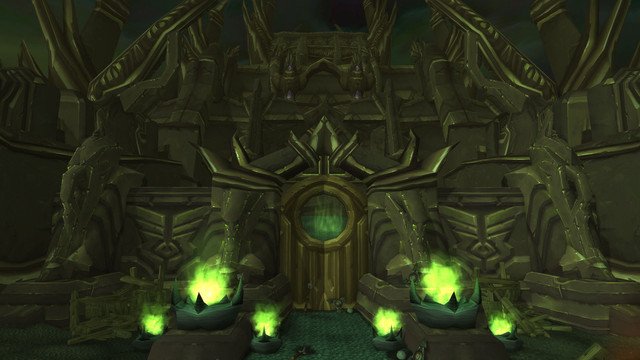
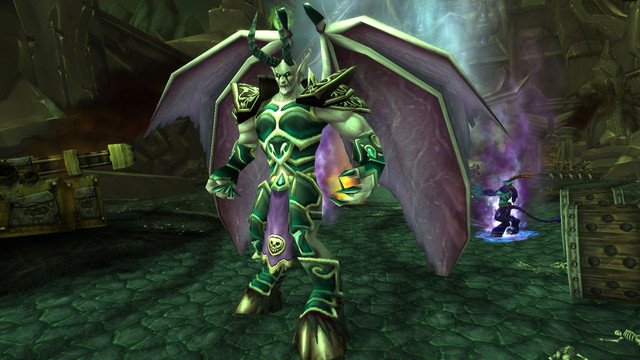
The Venomous Abyss is an eight-boss raid in patch 12.1 of World of Warcraft: Midnight. It sits on the Coiled Isle and needs a level 90 character. Its encounters are grouped into four wings, and each wing contains two bosses. The wings are called the Soulcoilers, the Essence of Venom, the Serpent Warren and the Tomb of Ula’tek.
Difficulty modes, from gentlest to hardest
Story Mode is aimed at players who mostly want to experience the narrative with relaxed tuning. Raid Finder uses a matchmaking tool that builds a group for you, which makes it the easiest way to see the encounters without finding friends. Normal is the baseline experience with a coordinated group. Heroic raises the tuning and demands cleaner execution. Mythic is the hardest and typically attracts organised guilds. Choosing a mode is about matching your current preparation, not about proving anything.
Words you will hear during a fight
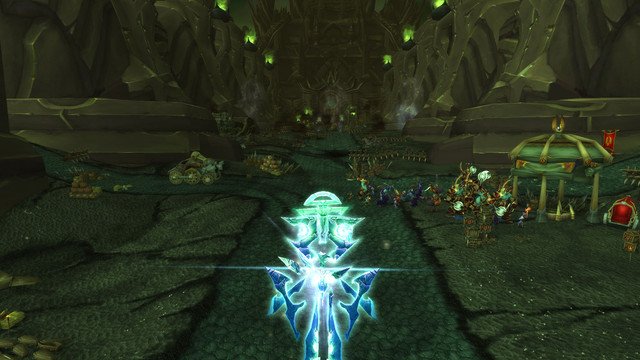
A pull is the moment the group starts the encounter. A wipe happens when everyone dies and the attempt resets. An enrage is a timer after which the boss becomes overwhelmingly strong, so the group must finish before it. A phase is a distinct part of a fight with different rules. Cooldowns are powerful abilities with a long wait before reuse. Knowing these five words will make most strategy discussions understandable.
Lockouts and why they matter
Raids typically allow one successful clear of each boss per week, and the game tracks this with a lockout. If you kill a boss on a particular difficulty, you cannot loot it again until the weekly reset. That is why groups often plan which bosses to kill on which character, and why joining a group halfway through a wing needs coordination.
Carry, boost and run: three overlapping words
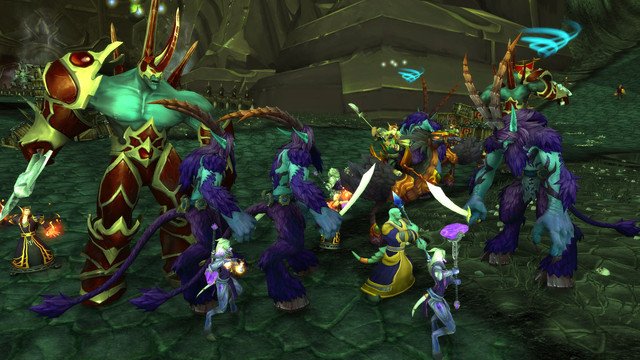
Players use these words loosely. A carry usually means a stronger group helping a weaker one reach a result. A run is simply a group going through content. A Venomous Abyss boost usually refers to a paid arrangement where players offer such help. Because the word covers many different situations, always ask what exactly is included before you agree to anything. It is also important to know that the game publisher has rules about third-party services and shared accounts, and that penalties can apply. Read those rules, compare options calmly and never share your login details casually.
Free ways to learn
If the vocabulary is all you want to learn, you do not need to spend a thing. Read a written guide, watch a video of a single wing and then queue for Raid Finder with the knowledge you gained. Do not be afraid to say you are new; most raid groups are happy to explain a mechanic once, especially when you ask politely before the pull.
A tiny practice plan
In the first session, queue once and spend the entire time watching what the boss does. In the second session, try to do one simple job, such as avoiding a marked area. In the third session, try to do one more job, such as using a defensive ability at the right moment. Skills grow in small steps, and a short plan stops the experience from feeling overwhelming.
Roles in plain language
A raid group usually has three kinds of job. Tanks hold the attention of enemies and take heavy damage. Healers keep everyone alive. Damage dealers defeat the enemy as quickly as they can while avoiding mistakes. Many bosses also ask everyone to handle special mechanics, such as moving out of an area or interrupting a dangerous spell. If you pick a role, learn its basic tools first and ask the group what they expect from it.
How loot works at a glance
Bosses drop items, and the group decides who receives them. Some groups use personal loot, where the game assigns items to players individually. Others use group systems with rules about priority. Ask about the system before the first boss, so that nobody is surprised afterwards. It is a normal question and one that experienced players expect.
Etiquette that makes you welcome
Arrive on time, bring your own consumables, listen during explanations and avoid blaming others after a wipe. When you make a mistake, say so briefly and fix it. When you see someone else struggling, offer help in private. These small habits are noticed far more than gear or experience, and they make groups want to play with you again.
Where to read next
Once you know the vocabulary, read a guide for the first wing and watch a short video of the first encounter. Take notes about what you did not understand and ask about it in a community channel. Over time, the words stop feeling foreign, and you begin to use them naturally yourself.
A short glossary to keep nearby
Keep a small list open while you play. Wing: a section of the raid with two bosses. Lockout: the weekly limit on killing a boss. Phase: a part of a fight with its own rules. Cooldown: a strong ability with a long wait before reuse. Marker: a symbol placed above a target so that everyone agrees who is who. Interrupt: stopping an enemy spell mid-cast. With these six words, you can follow almost any explanation a raid leader gives, and you will be able to ask better questions when something is unclear.
Final thoughts
A raid is a conversation between a group and a set of mechanics. The vocabulary is just the grammar. Once you can follow it, you are ready to join the discussion, and your choices, whether to try Story Mode, Raid Finder or something harder, become your own.
Leave a Reply