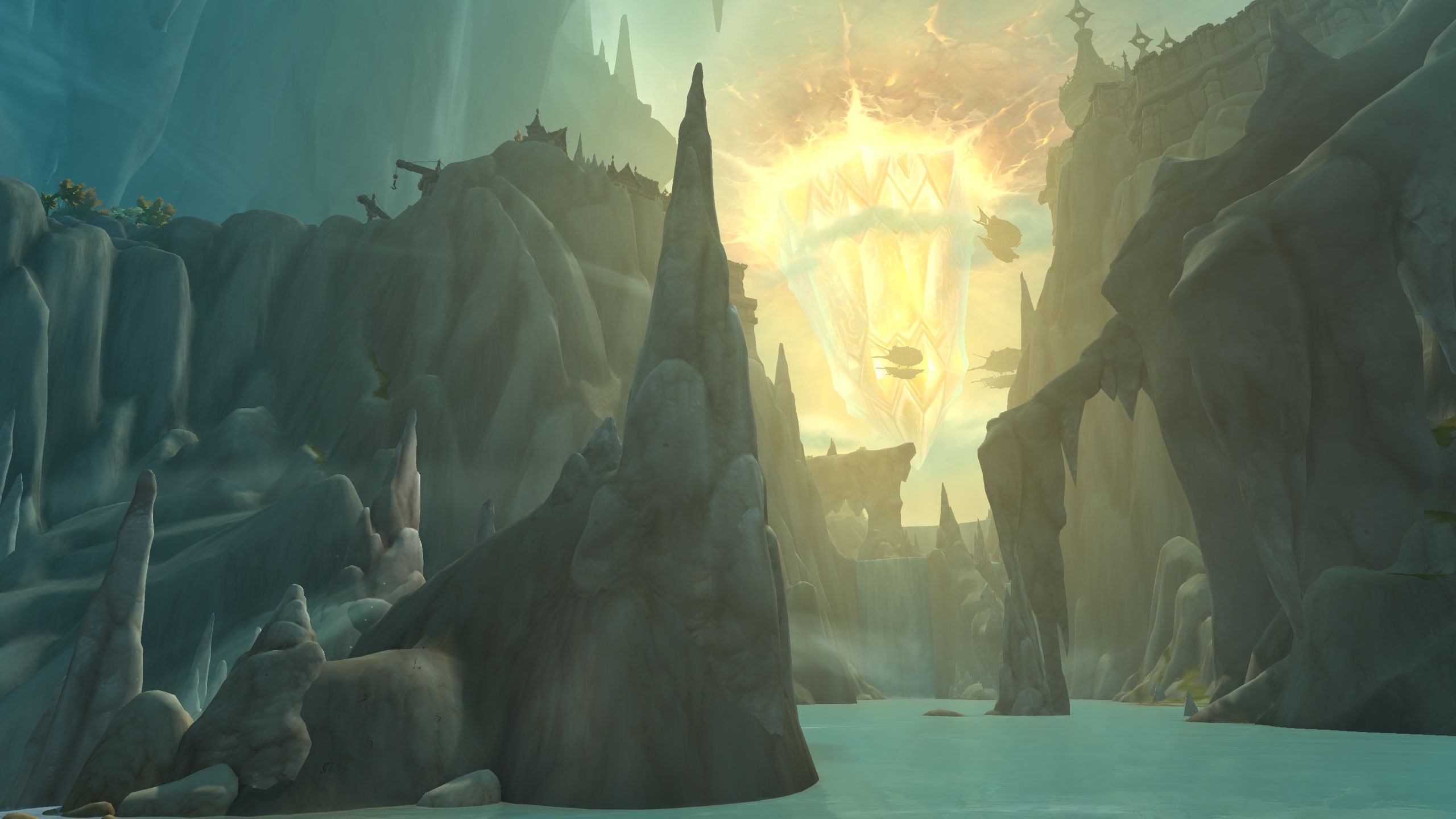
Introduction: A Visual Journey Through Azeroth
Since its release in 2004, World of Warcraft (WoW) has continually evolved, not just in terms of gameplay and content but also in graphical fidelity. While the game has always maintained a stylized fantasy aesthetic, Blizzard has steadily improved character models, environmental details, lighting effects, and animations to keep WoW looking fresh across multiple expansions.
WoW’s graphical evolution is a testament to how an MMORPG can remain visually appealing while preserving its distinct art style. This article explores how WoW’s graphics have changed over the years, from the pixelated simplicity of Vanilla WoW to the stunning, high-resolution visuals of modern expansions.
Vanilla WoW (2004): The Beginning of Azeroth’s Visual Identity
When WoW launched in 2004, its graphics were considered impressive for an MMORPG, but they were also designed with accessibility in mind. Blizzard opted for a stylized, cartoony aesthetic that allowed the game to run on lower-end hardware while maintaining a visually distinct world.

Key graphical features in Vanilla WoW included:
- Low-polygon character models: Character faces were simple, and armor textures relied heavily on 2D details rather than 3D depth.
- Flat terrain and basic environments: Many landscapes featured minimal texture variation, and environmental objects had simple designs.
- Static lighting: There was no real-time dynamic lighting, making shadows appear basic and unresponsive to changes in the environment.
Despite these limitations, WoW’s art direction helped it stand out. Bright, colorful zones and exaggerated character designs made Azeroth feel vibrant, even if the technical fidelity lagged behind other PC games of the time.
The Burning Crusade & Wrath of the Lich King: Refining the World
With The Burning Crusade (2007) and Wrath of the Lich King (2008), Blizzard improved graphical fidelity while keeping WoW’s signature art style intact. These expansions introduced more refined environments and textures, creating a more immersive world.
Notable graphical improvements included:
- Increased texture quality: Zones like Nagrand and Northrend featured more detailed ground textures and varied environments.
- Better character designs: While player models remained unchanged, NPCs like the Draenei and Blood Elves had slightly more detailed features.
- Improved water and lighting effects: The introduction of better skyboxes and weather effects made zones feel more alive.
These expansions also refined spell effects, making abilities feel more impactful. While WoW was still running on its original engine, Blizzard was gradually pushing its capabilities further.
Cataclysm & Mists of Pandaria: The First Major Visual Overhaul
With Cataclysm (2010), WoW underwent its first major graphical overhaul. The expansion’s world-shattering events led to a complete redesign of many original zones, allowing Blizzard to apply modern rendering techniques to older areas.

Key graphical updates included:
- Revamped zone textures: Classic zones received updated textures, higher terrain detail, and improved foliage density.
- Better water rendering: Water effects became more realistic, with reflective surfaces and enhanced movement.
- Lighting and shadow improvements: Shadows were made more dynamic, adding depth to environments.
Mists of Pandaria (2012) continued this trend, introducing highly detailed environments like the Jade Forest and more fluid character animations. The expansion also saw an increase in environmental complexity, with denser vegetation and better sky rendering.
Warlords of Draenor & Legion: Character Models and High-Definition Textures
Warlords of Draenor (2014) marked a turning point for WoW’s graphics, introducing high-definition character models for the first time. Blizzard completely overhauled player races, giving them more polygons, detailed facial expressions, and smoother animations.

Major visual enhancements included:
- New character models: Every classic race received a graphical update, making them more expressive and lifelike.
- High-resolution textures: Zones like Shadowmoon Valley and Nagrand showcased stunning landscape details.
- Dynamic lighting: More realistic lighting effects added atmosphere to dungeons and raids.
Legion (2016) expanded on these improvements by introducing enhanced spell effects, better reflections, and even more detailed environments, solidifying WoW’s visual evolution.
Battle for Azeroth & Beyond: A Modern WoW
Battle for Azeroth (2018) and subsequent expansions like Shadowlands (2020) and Dragonflight (2022) brought WoW’s graphics to a level competitive with modern games while retaining its stylized roots.

Key advancements include:
- Ray-traced shadows: Improved lighting realism for a more immersive experience.
- More detailed environments: Zones like Zandalar, the Shadowlands, and the Dragon Isles feature breathtaking landscapes and intricate architecture.
- Better spell animations: Spells and abilities have been reworked to be more visually striking.
Blizzard has also optimized WoW for modern hardware, allowing for 4K resolutions, higher framerates, and better graphical fidelity without sacrificing performance.
Conclusion: Balancing Nostalgia with Modernization
The evolution of WoW’s graphics reflects Blizzard’s commitment to keeping the game visually appealing while maintaining its signature art style. From the humble beginnings of Vanilla to the breathtaking landscapes of Dragonflight, WoW has consistently improved its graphical presentation without alienating its core fanbase.
While some players prefer the old-school charm of Classic WoW, others appreciate the polished visuals of Retail WoW. Regardless of preference, Azeroth remains one of the most visually distinct and immersive worlds in gaming history, proving that strong art direction can withstand the test of time.
As WoW continues to evolve, its graphics will undoubtedly continue to improve, ensuring that new and returning players can experience Azeroth in its most visually stunning form yet.
Home
Leave a Reply